Fifty Shades of Grey by E L James

Banned

2012

Florida - Pulled but later returned to the Brevard County public libraries "in response to public demand" 

Georgia, and Wisconsin due to the sexual situations - 

2015 - Malaysia - The entire trilogy was banned for containing "sadistic" material and "threat to morality".


The number to the National Domestic Violence hotline is 1-800-799-SAFE (7233). 

Oh holy shit.

Fifty Shades of Grey by E L James is a 2011 self-published book about the sexual relationship of virginal Anastasia Steele and rich sociopath Christian Grey. Throughout the book Grey introduces Steele to the world of sex and stuff happens that resembles a plot. At best the book is a harmless, poorly written erotica novel that caught the attention of sex-starved people looking to fuel their fantasies through characters so lacking in character anyone could slip in their less than sparkly but very Twilight skin like a squishy old shoe on parade day.  At worst the text is a work of the Underdark that shall bring upon the destruction of humanity by causing all who read it to either go insane with lust to the point of reverse-procreation, enter into destructive relationships thinking domination and submission equate with mental abuse, or simply to cause the stupification of the higher mind and leave the reader alone in search of a passion empty and devoid of all fulfilling romance.
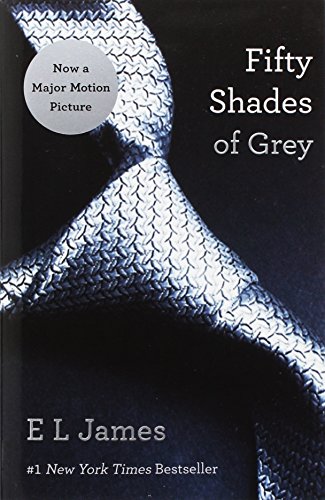
Upon release, the book was banned at libraries in Florida, Georgia, and Wisconsin due to the sexual situations it contained. Claiming it was pornography, the libraries chose not to include it despite the public's fascination. Similar bans have happened in Malaysia about the movie made of the book. We can only hope that the libraries of the world follow the example set here and ban the work due to it's alleged demonic origin. That's if the worst case scenario is true. If it is simply just a dumb sex book, then these libraries need to get their heads out of their asses and let the people read the shitty smut rather than find it on the internet like teenagers.

Yes, it really is that bad, laughably so at times with asides like "Oh, shit. I flushed" after an embarrassing situation, making this reader wonder if the editor who published this text is still drinking from the golden goblet of "fuck it, Amazon can't have all the profits." The times it is not laughable come when the sociopathic Grey forces himself onto Ana, and she confuses having an orgasm with not being molested.

Look, people all like passion, being thrown around and sweating and losing ourselves in moments when we know the other person(s) want us, need us, in a carnal and almost violent way. We are animals and deep down in lizard central where the goddess thrives in us all is a need to pass on genetic material through noisy sex. That stuff called "love" and "attachment" is there to keep us going back for more, for staying together in social units for the survival of the young. Where this book falters is the attitude and actions of its characters, wherein a naive Ana is seduced into a Stockholm Syndrome relationship with manipulative sociopath Grey who uses the fact that he's the first orgasm giver to keep getting what he wants and make her believe what he wants is what she wants.

Honestly, if the book didn't have so many tics and quirks of bad writing, I would believe this is a deep character study of an abusive relationship where the abused keeps going back over and over after being hurt and even defending the abuser. That he warns her off does not make him a nice guy because he then pursues her. That he takes care of her, buys her stuff, makes her laugh, all mean nothing if at the end of the day he desires to control her and use her as an outlet for violent tendencies and blame her if it goes farther than she wants because she knew "the rules" and could stop him at any time with a safe word.

I laughed out loud often at the utter disaster at the narrative string of words this book was composed of, but the more I think about it the more I realize how damaging this book is. It is a disguise, an excuse for anyone who wants sex to take it from another with no regard of feelings or intent. I am not into BDSM scenes, but I know that they are consensual and about empowerment, not shame and degradation. If you read this book and enjoy it, understand that everyone deserves to be wanted, needed, and have that crazy sex that curls toes and makes you walk funny the next day. Just know that you are better than anyone who makes you feel like less than you are and that orgasms are cheap against holding and being held in the dark.

Also, don't let the creatures of the Underdark trick you into believing this is a work of fiction. The evil that can belong in the comfort of the lost world is a contrivance of the mind and spirit. Long is the man and the woman who fall in the cold reaches of the empty field of dark minds.  Be in and out and through the world of the golden handholding further mark.


Source

Doyle, Robert P. Banned Books: Challenging our Freedom to Read. 2014.


"Dances and Dames"

Kevin MacLeod (incompetech.com)

Licensed under Creative Commons: By Attribution 3.0

http://creativecommons.org/licenses/by/3.0/


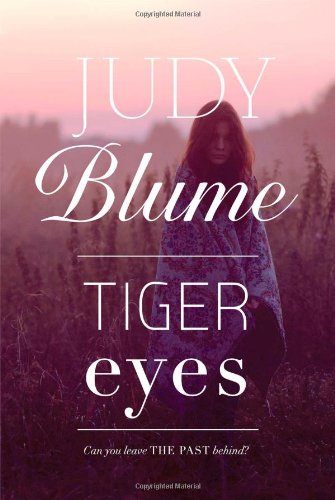
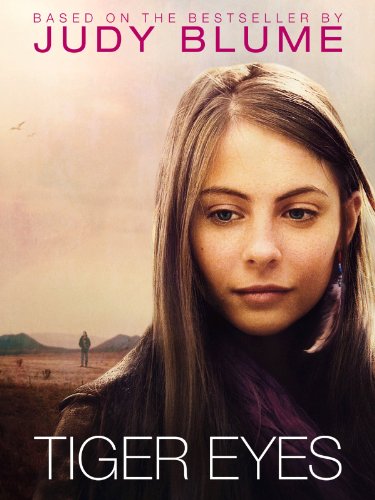
Tiger Eyes by Judy Blume

Tiger Eyes
By Judy Blume

When Davey's father dies, she and her family move to New Mexico to deal with all their feelings. And so many feelings happen.

Davey's father dies in a violent shooting at their convenience store, so her, her mother and her brother move down to live with their aunt and uncle in New Mexico. When their mother checks out with grief, the aunt and uncle become very protective. Davey responds to this by making friends with Wolf, a hot dude she met hiking, and Jane, a teen with a drinking problem. After a year, Davey deals with her feelings about, well, everything, and they all go home changed.

The book was banned for teenage depression, mild sex attitudes, religious debates, and underage drinking. It has held a place on the ALA banned books list since the list was made, falling around the 80s out of 100. While there are few accounts reported online after a quick search, the placement on the list shows it is relevant and used forty years after publication.

The book is standard teen fare set up by Blume way back when, copied by many to the point of rather blandness. The overbearing parents and teen angst seem tired but are well executed. Well written and short, the book is good for a quick afternoon and won't frighten away most teengers if you tell them it is all about sex, violence, and drinking.


Banned

1984

Indiana - Challenged at Daleville Elementary due to sexual content

Pennsylvania - Removed from Hanover School District's elementary and secondary libraries, later placed on "restricted shelf," for being "indecent and inappropriate"

Wyoming - Challenged at Casper school libraries

1999 - Louisiana - Removed from the Many Junior High library shelves for sexual content, drinking at school, and language


Sources

Doyle, Robert P. Banned Books: Challenging Our Freedom to Read. 2014.


"Dances and Dames"

Kevin MacLeod (incompetech.com)

Licensed under Creative Commons: By Attribution 3.0

http://creativecommons.org/licenses/by/3.0/


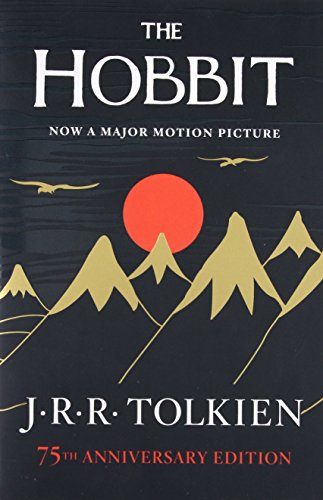
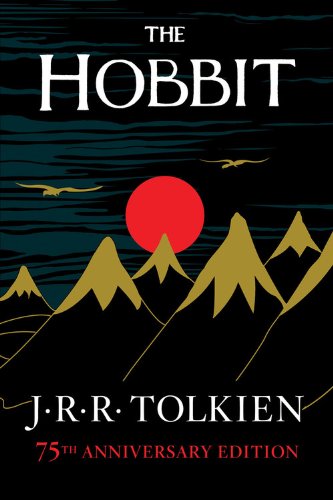
The Hobbit by J R R Tolkien

The Hobbit
By J. R. R. Tolkien

The Hobbit by JRR Tolkien is a children's fantasy book that kicked the genre in the ass in a big way. Stories of far away, scary lands with magical beings have always been popular, just look at King Arthur and Merlin, but The Hobbit is special in the way National Lampoon's Vacation made family comedies special. Just putting the story on a road seemed to help bring new life.

To say the story has no flaws, however, depends on your willingness to read verse and give a shit about your characters. Many times the dwarves and other characters lapse into song that can be skipped over without losing story. Also, besides going from place to place, the characters do not do very much. There is an internal change, especially in the central character of Bilbo, but overall the party just goes from place to place, gets in trouble, then get saved. They do little except forward the plot with their own need to go somewhere. This is boring save the few times Bilbo hobbits-up and becomes more active, but even then it leads to little but an excuse for a dues ex machina device to come save the day.

The book was banned several times over the years, most notably in 2001 in Alamagordo, New Mexico where a Christian rights group held a book burning. The themes of friendship and striving against adversity were lost among those looking for witchcraft and "satanic themes," so the book has suffered. Overall, however, The Hobbit and the sequel series, The Lord of the Rings, have escaped most detractors due to the strong messages and obvious fantasy elements they contain. Hope, friendship, kindness, and general fighting against adversity for the greater good are themes we can all embrace.


Banned

2001 - New Mexico - Burned in Alamogordo outside Christ Community Church along with other Tolkien novels as satanic.


Sources

Doyle, Robert P. Banned Books: Challenging Our Freedom to Read. 2014


"Dances and Dames"

Kevin MacLeod (incompetech.com)

Licensed under Creative Commons: By Attribution 3.0
http://creativecommons.org/licenses/by/3.0/


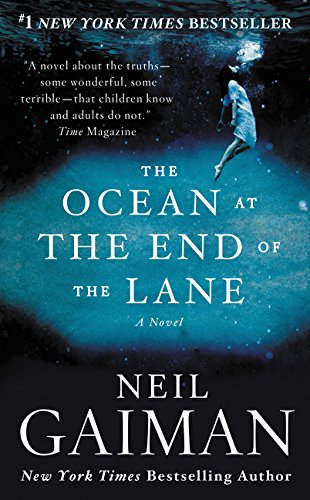
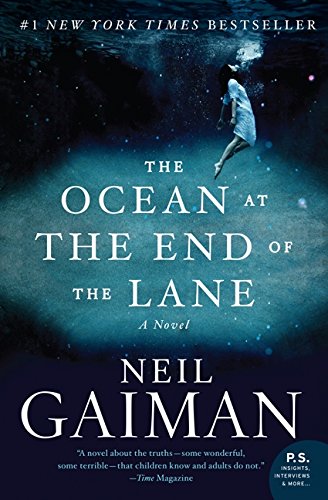
Ocean at the End of the Lane by Neil Gaiman


Memory erupts from the mind at the most casual instances. A smell of sharp detergent, a touch of soft fabric, the vision of sun on trees with a cool wind on your face, all these can bring forth the past in detail, emotions and broken dreams of long ago times. Neil Gaiman’s The Ocean at the End of the Lane is one man’s journey into his past, his childhood. The exploration of this past brings horror and joy, home and comfort that touches on the creation of a dreamer through lost time and the perception of universal truths.

We begin with a man returning home for a funeral and visiting a place where he once knew a girl who believed a small pond was an ocean. The narrator goes into his own past, telling of a suicide that lead to the meeting of the peculiar Hempstock family. While journeying with Lettie Hempstock, the youngest of the family, he brings into the world something old and other that terrorizes him. The other thing is driven from this world but not without great cost, both the Hempstocks and the boy who became a man.

The obvious reference of the tale is Gaiman’s own childhood. He says as much, using it as a way to describe his childhood through metaphors of holes in hearts looking to be filled and the dreamer searching for stories after losing part of his own. If this sounds as though I am being vague in my interpretation of the text, it is because I’m reflecting the feeling of the story. Childhood is nothing but notions and expressions of awakening, of searching without knowing what you are looking for. The otherworldly aspects of the story simply serve to remind the reader that everything when you are young is unknown, that sometimes you have to realize you will never be old enough to grasp the whole of the universe.

Various points in the story touch on writing and reading in ways I can not be sure everyone will find. Speaking from my own experience, several moments and passages cut deep, peeling away beliefs I held and a life I felt I lived. Simply giving context to that statement would expose much of my own belief in the world and my own childhood that I am not sure I want to share in a public forum, yet let’s say somethings are universal no matter if you are in the English countryside fighting monsters or in the piney woods of Mississippi trying to sleep at night. We humans are simple creatures, really, bound to our lives in quiet desperation often shouting into our own voids. Mr. Gaiman has the ability to reach across his void and remind the reader that he or she is not alone, a rare talent and gift the best storytellers possess.


"Dances and Dames"

Kevin MacLeod (incompetech.com)

Licensed under Creative Commons: By Attribution 3.0
http://creativecommons.org/licenses/by/3.0/


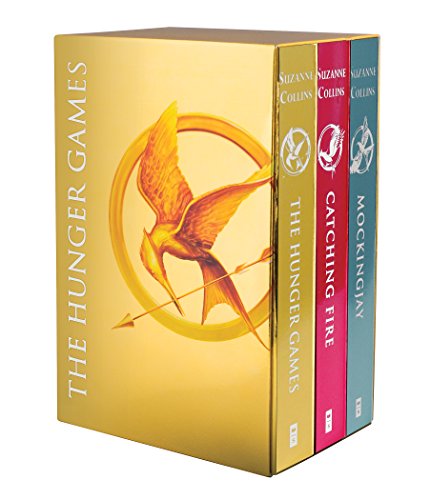
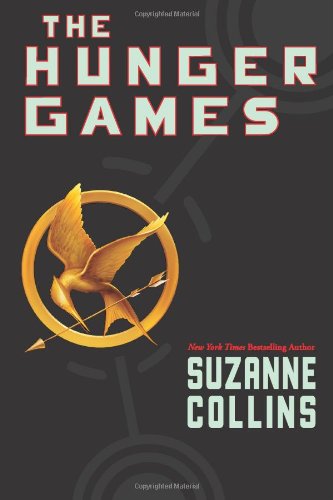
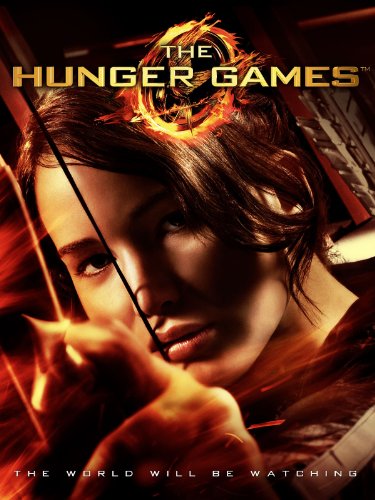
Hunger Games (series) by Suzanne Collins


Banned

2010 - New Hampshire - Challenged by a parent to the Goffstown school board who claimed it gave her 11-year-old nightmares and could numb other students to violence


What if you wanted to kill children in a systematic and fun way? Well, first you’d ravage the environment, centralize the government creating a wild utopia surrounded by disparate states who’d fund the utopia, and then set up an elaborate reality show where in children from these disparate states would battle for the death for the pride of their state. In the Hunger Games, we see this dream come to fruition and succeed and then fail through the eyes of Katniss Everdeen, the girl with the Mockingjay tattoo but really just a pin.

The story of the Hunger Games is old as time itself. Following Katniss, we see her enter into the battle royal against her will and compete for her life while finding sorta love and a sense of purpose while the world collapses around her. The first novel centers on her entrance into the games and the set up of the world, showing how the society is focused on the horrific murder of children by children for children. The second book continues with her post traumatic stress, throwing her back into the games as a way to discredit the martyr she became. The third book centers around the open rebellion and overthrow of the games and the Capitol that creates them, showing the horrors of war and the effect it has on our characters while being fairly poorly planned as a written story. Each builds on the other to a disappointing, yet final ending. Or does it? Sure, why not.

The reason these books are mentioned here are three fold: there’s a movie coming out, they are extremely popular, and they are about child murder. Children in jeopardy is a long held trope in fiction, back when Huckleberry Finn and Treasure Island kid were going off to have adventures and establish themselves as kids dealing with horrific stuff. The Hunger Games series amps up the trauma for today’s youth by having violence, eugenic experiments, and a centralized government that celebrates the horror for entertainment. The twist the later books depend on, that even the good guys can become broken monsters when fighting monsters, also lend credence that humanity as a whole is broken and worthy of destruction by our own hand. Sure, one government murders children in televised games but the approaching new world order did not get there by holding hands and singing “Timber” as the previous government fell. Nobody gets out of the Hunger Games series untouched, even the guy doing it for love who gets brainwashed into becoming a violent killing machine.

The series was clearly rushed in the writing and publication. The first book is a straightforward tale, thought-out and well plotted while the second and third amble along admirably under the same “meet everybody for the first half and go into battle mode for the second half.” The psychology of the characters is interesting and developed if you read into the narrative, but on the surface comes across as boring melodrama between teens in a war setting. The third book suffers the most as the set up is supposed to be a shock to the reader yet comes across as bland and formulaic after the initial reveal wears off. By the end, there is little for our narrator and heroine to do, possibly a theme of the piece but more often than not boring. Come for the child murder but stick around because why not finish these easy to digest books.


Sources

Doyle, Robert P. Banned Books: Challenging our Freedom to Read. 2014


"Dances and Dames"

Kevin MacLeod (incompetech.com)

Licensed under Creative Commons: By Attribution 3.0

http://creativecommons.org/licenses/by/3.0/


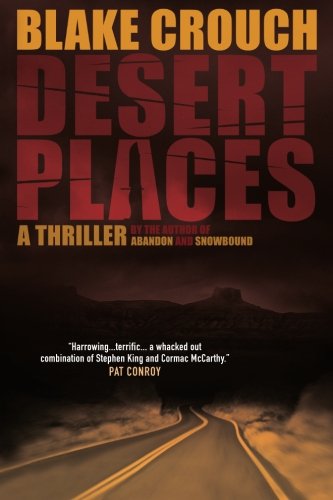
Desert Places: A Novel of Terror by Blake Crouch


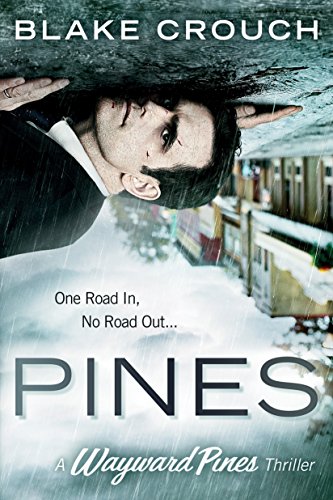
People are horrible creatures, right? To paraphrase an Internet meme, “we bomb our own, we poison our air and water, and we nailed one of our prominent god figures to a stick.” Violent and wild, the human race controls its environment rather than have our environment control us. So what happens when you take one of these creatures and pit it against its own, take a person who deals in the abstract violence of crime fiction and hand him over to a serial killer? You get Desert Places by Blake Crouch (author of Wayward and Pines, basis of the show Wayward Pines).

The novel tells the story of Andrew Thomas, prominent author, as he deals with a terrorizing figure attempting to educate him in the ways of murder. The serial killer frames him, kidnaps him, and carries out many gruesome acts of violence. Andrew struggles to deal with the situation and turn the tables on his attacker, but in the end, well, this ain’t a happy story.

The plot of the novel reads like a Saw or Hostel novelization. Take a normal guy, put him in an extreme situation filled with graphic violence, and watch him struggle against the forces against him both internal and external. Well written with dark brooding and interesting characters, Desert Places finds its place in horror and dabbles with the psychological aspects of psychopathy. It falls short in proving its point, that some people are just evil and do evil shit, but is entertaining none the less.


Banned

2004 - Mississippi - I found this book as one of, if not the first, books that were ever challenged in my library while I was a professional librarian. A little old lady picked it off the new shelf and was horrified by it, demanding we remove it from the collection. My boss read it and put it up in the fiction section where it died a slow death of non-exposure. I found it again in the book sale and picked it up for a quarter. Now, nearly a decade later, I present it to you.


"Dances and Dames"

Kevin MacLeod (incompetech.com)

Licensed under Creative Commons: By Attribution 3.0
http://creativecommons.org/licenses/by/3.0/


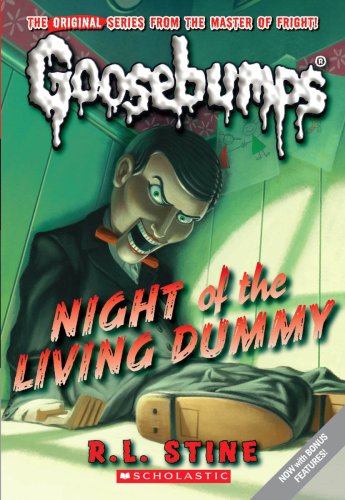
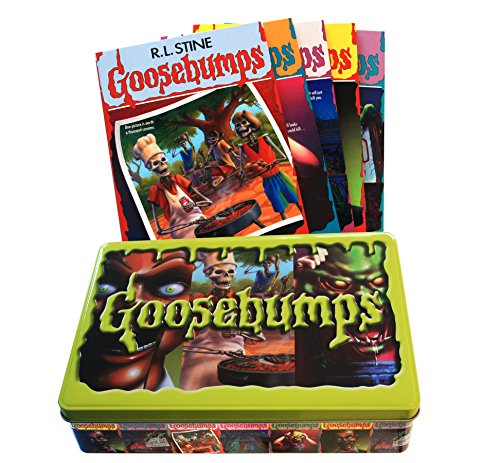
Goosebumps: Night of the Living Dummy by R L Stine

Ready to get terrifying nightmares and the most heart-pounding terror of horror? Too bad, we read Goosebumps: Night of the Living Dummy by R L Stine.


Banned

1996 - Florida - Series was challenged at Bay County elementry schools for "satanic symbolism, disturbing scenes, and dialog"

1997 - Minnesota - Challenged but retained at the Anoka-Hennepin school system


Sources

CNN - Minneapolis, MN

Doyle, Robert P. Banned Books: Challenging Our Freedom to Read. 2014.


"Dances and Dames"

Kevin MacLeod (incompetech.com)

Licensed under Creative Commons: By Attribution 3.0
http://creativecommons.org/licenses/by/3.0/


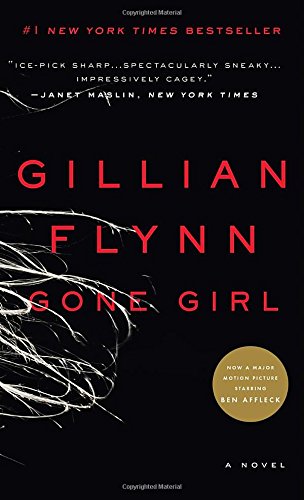
Gone Girl by Gillian Flynn

Gone Girl
By Gillian Flynn

The marriage of two crazy people falling down the rabbit hole of insanity.


"Dances and Dames"

Kevin MacLeod (incompetech.com)

Licensed under Creative Commons: By Attribution 3.0
http://creativecommons.org/licenses/by/3.0/


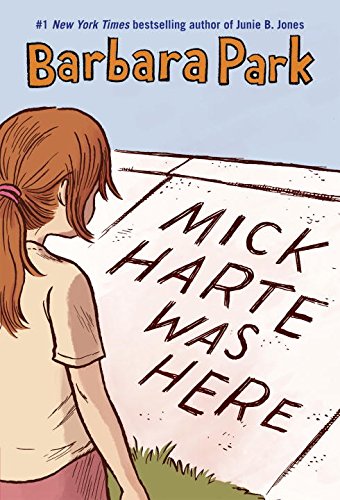
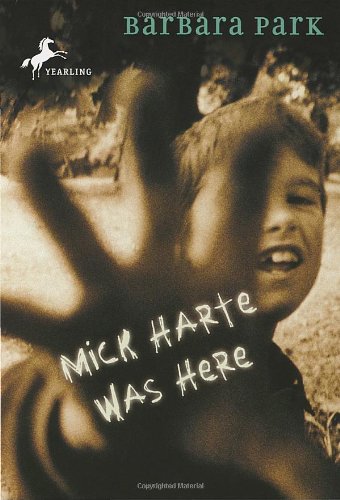
Mick Harte Was Here by Barbara Park

Mick Harte Was Here
By Barbara Park

A young lady talks about her dead brother and we talk about death and FUN. It's pretty dark.


Banned 

1998 - South Carolina - Challenged but retained at Liberty Middle School Library in Seneca after a grandmother complained.

2004 - North Dakota - Challenged, but retained at the Centennial Elementary School library in Fargo after parents complained to school officials that the book contains themes and language inappropriate for elementary students.

Held at Cabell County Public Library


Sources

Doyle, Robert P. Banned Books: Challenging our freedom to read. 2014.

Marshall University 

Bismark Tribune


"Dances and Dames"

Kevin MacLeod (incompetech.com)

Licensed under Creative Commons: By Attribution 3.0
http://creativecommons.org/licenses/by/3.0/


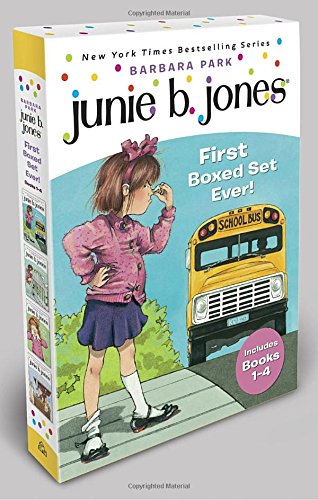
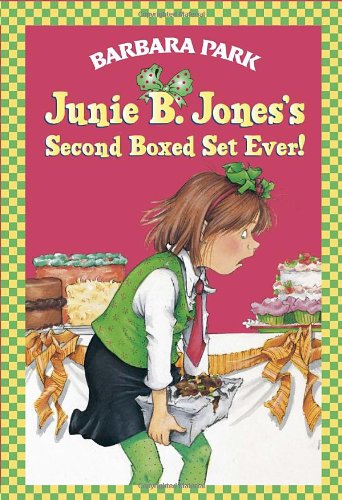
Junie B Jones and The Stupid Smelly Bus by Barbara Park 10

Some talk about bears and read the best banned book ever.


Banned

ALA Top 100 Banned/Challenged Books: 2000-2009

1998 - New Jersey - Challenged but retained at Harmony Township school after a parent complained that the book teaches extreme negative emotions (hate) are okay and that the book never resolves the issues it raises or gives ways to handle negative emotions.


Sources

Doyle, Robert P. Banned Books: Challenging our freedom to read. 2014.


"Dances and Dames"

Kevin MacLeod (incompetech.com)

Licensed under Creative Commons: By Attribution 3.0

http://creativecommons.org/licenses/by/3.0/